Table of Contents
- Why Outdoorsmen Seek Cutter Buck Alternatives
- Performance Golf Apparel for Hiking and Trail Work
- Durable Outdoor Clothing Brands for Men
- Versatile Golf Gear for Outdoorsmen: What to Look For
- Comparison Table: Cutter Buck Alternatives at a Glance
- How Golf & Game Apparel Differs from Traditional Brands
- Making the Switch: Durability and Longevity You Can Trust
- Frequently Asked Questions
Last Updated: September 30, 2026
Why Outdoorsmen Seek Cutter Buck Alternatives
When you're looking for apparel that works equally well on the golf course and in the field, the search for quality becomes personal. Many outdoorsmen have worn traditional golf brands for years, only to realize their gear doesn't hold up the way they need it to when conditions get real. The frustration isn't about the brands themselves, it's about finding something that bridges two worlds without compromise.
Cutter Buck alternatives exist because the modern outdoorsman demands more. You want technical performance that doesn't sacrifice style. You need durability that survives actual use, not just marketing claims. And you're willing to explore options beyond what's been sitting in your closet for the past decade.
Golf & Game Apparel was founded by two brothers with a shared passion for both the sport and the outdoors. They understood this gap firsthand. The result is apparel designed specifically for people like you, someone who moves between environments, who refuses to compromise on quality, and who values a brand that actually understands what versatile means.
Performance Golf Apparel for Hiking and Trail Work
Performance golf apparel has evolved far beyond the traditional golf shirt, but understanding what separates genuine technical performance from marketing language requires looking at the fabric technologies themselves. Modern technical sportswear combines moisture-wicking fabrics with weather-resistant construction, but the specifics matter enormously when you're choosing between alternatives.
Moisture-wicking mechanisms differ significantly. Most performance fabrics use one of two approaches: synthetic polyester blends that move sweat away from skin through capillary action, or merino wool that naturally absorbs moisture without feeling wet. Polyester-based systems dry faster but can retain odor over time. Merino alternatives feel softer immediately and naturally resist odor, but take longer to dry. For hiking where you'll be moving continuously for hours, faster-drying synthetics often outperform in practice. For fishing where you're stationary and temperature control matters more, merino's insulation properties when damp become valuable.
Weather-resistant treatments vary in durability and breathability trade-offs. Durable Water Repellent (DWR) coatings, the industry standard, shed light rain effectively but degrade over time without reapplication. Membrane-based systems offer superior protection but reduce breathability and add cost. For trail work in unpredictable conditions, a quality DWR-treated fabric often provides the best balance. For extended backcountry use, membrane systems justify their premium.
Seam construction directly impacts field performance. Flat-felled seams (where fabric edges are folded and stitched twice) withstand repeated movement better than simple overlocked seams. Taped seams, where waterproof tape is applied over stitching, add weather protection but increase weight and cost. When you're hiking through brush or working in wet conditions, seam quality determines whether water finds its way inside. Examine product photos closely: quality brands show reinforced seams at stress points (shoulders, underarms, pocket corners).
Layering systems require compatible fabric weights and stretch properties. A moisture-wicking base layer needs 4-way stretch (stretch in all directions) to move with your body during hiking. A mid-layer insulator should compress without losing loft when wet. An outer shell must allow base and mid-layers to move freely without bunching. Pieces designed only for golf often use single-direction stretch, which restricts movement during trail work. The best alternatives for outdoorsmen specify stretch direction and fabric weight (measured in grams per square meter, or gsm) so you can build a system that actually works together.
When evaluating performance apparel for hiking and trail work specifically, ask: What's the fabric weight? How many directional stretches does it offer? What DWR treatment is used and how often does it need reapplication? Can you see seam construction in product photos? Brands that answer these questions directly, rather than using vague terms like "advanced moisture management", are designing for actual performance, not marketing.
Durable Outdoor Clothing Brands for Men
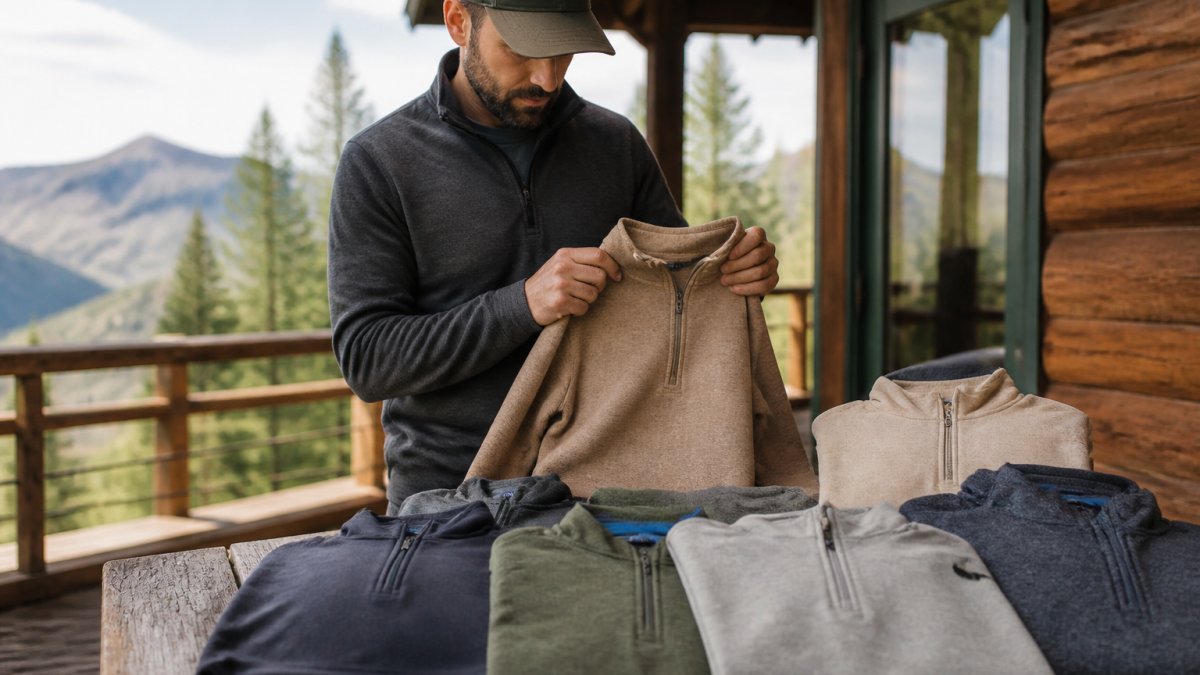
Durability separates gear that lasts from gear that disappoints, but durability claims mean nothing without evidence of how pieces actually perform after months of real use. The brands worth considering for outdoor pursuits all make durability claims, the distinction lies in construction choices and how their pieces hold up after a season of actual wear.
Outdoor Research specializes in technical apparel for harsh conditions, with a focus on mountaineering and backcountry use. Their layering systems use reinforced seams at every stress point and employ high-quality synthetic fabrics rated for repeated compression and movement. The trade-off: their aesthetic leans heavily technical, which may feel out of place in casual settings. After extended use (50+ washes and regular field work), their pieces maintain structure and weather protection, but the technical styling doesn't transition well to non-outdoor contexts. Cost premium is significant, expect 30-40% higher pricing than golf-focused alternatives.
QED Style bridges fashion and function through modern tailoring combined with performance fabrics. Their pieces maintain structure through repeated wear because they use higher-weight fabrics (typically 200+ gsm) and reinforce stress points without visible technical branding. The contemporary styling works from the course to casual settings without feeling forced. Long-term wear reports show minimal pilling or fading after a year of regular use, though their weather-resistant treatments require reapplication every 20-30 washes. Their primary limitation: they lack specialized moisture-wicking in base layers, so they work better as mid-layers or outer shells in a system rather than standalone pieces.
Buck Mason takes a different approach, focusing on natural fabrics (cotton, wool, linen blends) and timeless construction. Their pieces age beautifully, cotton softens with washing and wool develops character over time. The downside is they lack the specialized moisture-wicking and weather-tech that pure outdoor performance demands. After a year of field use, their cotton pieces may show wear faster than synthetic alternatives in harsh conditions, though they remain comfortable and functional. Their wool blends perform better in damp conditions than cotton alone. Best suited for outdoorsmen who prioritize comfort and aesthetics over maximum technical performance.
Osprey represents the extreme end of durability engineering, with apparel built for multi-day backcountry use and harsh mountain conditions. Their construction standards are exceptionally high, reinforced seams, premium fabric weights, and design choices that prioritize function over fashion. However, their focus is primarily gear systems (packs, vests) rather than complete apparel, leaving gaps if you need a full outfit. Their standalone clothing pieces are durable but expensive and heavily technical in appearance.
The durability metric that matters most: seam failure rate after 50 washes. Quality brands reinforce seams at stress points (shoulders, underarms, pocket corners) with double or triple stitching. Cheap construction uses single-pass overlocked seams that fail when fabric stretches repeatedly. When comparing options, request product care information, brands confident in durability will specify wash temperature, drying methods, and expected lifespan. A brand offering free repairs for seam failure within the first year signals confidence in construction quality.
Real-world durability also depends on fabric weight and fiber choice. Synthetic fabrics rated 150+ gsm typically outlast lighter alternatives in field conditions. Merino wool (if used) should be at least 200 gsm to resist pilling. Cotton blends perform adequately for moderate use but may show wear faster than synthetics in demanding conditions. The common thread among genuinely durable brands: they invest in fabric quality, reinforce stress points, and design for actual use rather than marketing aesthetics. After a season of regular outdoor work, the difference between a durable piece and a compromised one becomes obvious, seams hold, fabric maintains shape, and weather protection remains effective.
Versatile Golf Gear for Outdoorsmen: What to Look For
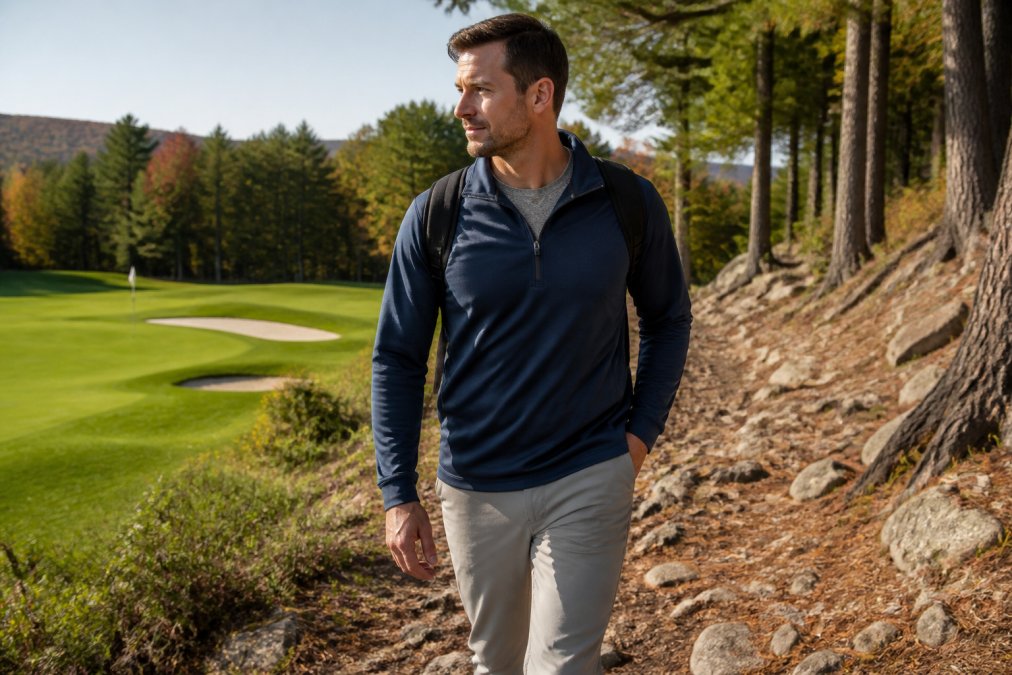
Versatility isn't about doing everything equally well, it's about doing the things that matter to you seamlessly. The best pieces for outdoorsmen share specific characteristics that make them work across contexts.
Fit matters more than you think. Apparel designed only for golf often cuts too loose for actual movement. Pieces built for trail work sometimes feel too technical for social settings. The sweet spot is a tailored fit that allows full range of motion without excess fabric. Golf & Game Apparel designs with this balance intentionally, our custom-designed pieces account for how you actually move.
Color selection determines versatility. Earth tones, grays, and navy work everywhere.
Comparison Table: Cutter Buck Alternatives at a Glance
| Brand | Best For | Key Strength | Primary Trade-off |
|---|---|---|---|
| Golf & Game Apparel | Golfers and outdoorsmen wanting versatile gear | Custom-designed for dual use, blends fashion with functionality | |
| Outdoor Research | Serious backcountry pursuits | Advanced weather-resistant technology, technical layering systems | Aesthetic too technical for casual settings |
| QED Style | Modern golfers seeking athletic styling | Contemporary fit, high-quality fabrics that maintain shape | Limited heavy-duty outerwear options |
| Buck Mason | Classic style prioritizers | Exceptional fabric quality, timeless design | Lacks specialized performance features |
How Golf & Game Apparel Differs from Traditional Brands
The distinction matters because it changes what you get for your investment. Traditional golf apparel brands built their reputation on course performance and style. They excelled at what they were designed for. But they weren't built with the outdoorsman in mind.
Making the Switch: Durability and Longevity You Can Trust
Switching to new gear requires confidence that it will actually last. Durability isn't marketing language, it's a measurable commitment that fabric, construction, and design will survive real use.
Frequently Asked Questions
What makes Cutter Buck alternatives better for serious outdoor activities like fishing and hunting?
Cutter Buck focuses primarily on golf aesthetics and lifestyle appeal. Golf & Game Apparel integrates performance elements without sacrificing versatility, so your gear performs whether you're on the fairway or in the field.
How do performance golf apparel for hiking options compare to heavy-duty outdoor brands?
Performance golf apparel bridges the gap between style and function. These options use moisture-wicking, breathable fabrics and layering systems designed for active movement, making them ideal for hiking and trail work. Unlike purely technical outdoor brands that prioritize ruggedness over appearance, performance golf apparel maintains a polished look suitable for both the course and casual settings, giving outdoorsmen versatility without compromise.
Are durable outdoor clothing brands for men really worth the investment compared to standard golf wear?
Durability directly impacts long-term value. Outdoor-focused brands use reinforced stitching, premium synthetic insulation, and ripstop fabrics that withstand harsh conditions and repeated wear. While initial pricing may seem comparable, quality outdoor clothing lasts longer and maintains performance through seasons of fishing, hunting, and rugged use, making the investment worthwhile over time.
What should I look for in versatile golf gear for outdoorsmen?
Look for moisture-wicking performance fabrics, weather-resistant coatings, and ergonomic fits that allow full range of motion. Thermal regulation through layering systems and breathability are essential. Seek brands offering both technical features and refined aesthetics, so pieces work across multiple settings.


